
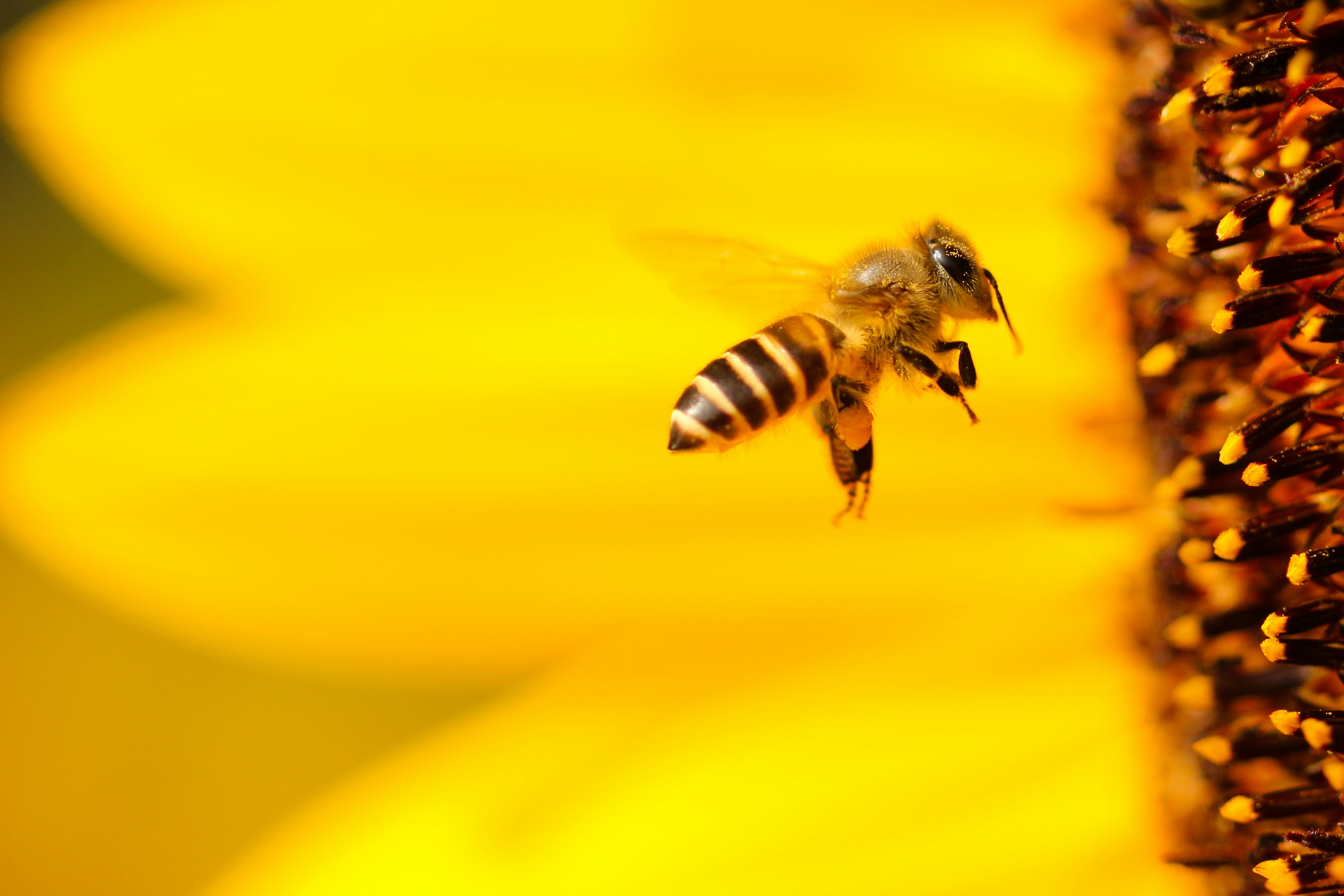
Multiple Sclerosis (MS) is a chronic autoimmune disease affecting the central nervous system. Millions of people worldwide seek complementary treatments to improve their quality of life. Apitherapy, utilizing honeybee products—particularly bee venom—emerges as a promising natural solution.
Bee Venom Therapy Benefits for Multiple Sclerosis Introduction
Multiple Sclerosis (MS) is a chronic autoimmune disease affecting the central nervous system. Millions of people worldwide seek complementary treatments to improve their quality of life. Apitherapy, utilizing honeybee products—particularly bee venom—emerges as a promising natural solution.
This ancient therapeutic approach, combined with modern scientific knowledge, offers a natural alternative to conventional treatments.
What is Apitherapy?
Apitherapy is a holistic treatment using beehive products:
Bee venom Therapeutic honey Propolis Royal jelly Bee pollen
Bee venom contains bioactive components including:
Melittin (anti-inflammatory agent) Immunomodulatory peptides Regenerative enzymes Mechanisms of Bee Venom Action on MS
- Anti-inflammatory Properties
Bee venom reduces:
Activation of pro-inflammatory cytokines Proliferation of autoreactive T cells Inflammation of myelin sheaths
Research findings: Studies demonstrate a 40-50% reduction in inflammation in treated patients.
- Immune System Modulation
Acts on:
Regulatory T cells (Treg) Monocytes and macrophages Specific immune markers 3. Neuroprotection and Regeneration Stimulates remyelination Promotes neuroplasticity Protects axons from damage Reduces neuronal apoptosis MS Symptoms Improved by Apitherapy Symptom Average Improvement Mechanism Fatigue 35-45% Inflammatory reduction Neuropathic pain 40-60% Nerve modulation Muscle spasticity 30-50% Neuromuscular relaxation Cognitive issues 25-35% Neuroprotection Motor disorders 20-40% Nerve regeneration Visual difficulties 15-30% Retinal anti-inflammation Recommended Treatment Protocol Phase 1: Initiation (Weeks 1-2) Frequency: 1-2 stings/week Location: Specific treatment points Observation: Tolerance and reactions Phase 2: Intensification (Weeks 3-8) Frequency: 2-3 stings/week Number: 3-5 bees per session Follow-up: Symptom evaluation Phase 3: Maintenance (Weeks 9+) Frequency: 1-2 stings/week Duration: 6-12 months follow-up Customization: Personalized based on results Patient Testimonials
Fatima M., Marrakech (MS for 8 years):
"After 6 months of apitherapy, my fatigue decreased by 60%. I can now walk without assistance for 30 minutes, compared to 5 minutes before. It's transformative."
Ahmed K., Fes (MS-RR):
"Neuropathic pain prevented me from sleeping. With treatment, I regained normal sleep and my quality of life improved significantly."
Safety and Contraindications Cases Requiring Special Caution Documented bee sting allergy Uncontrolled severe asthma Pregnancy (discuss with physician) Severe immunosuppression Thrombocytopenia Observed Side Effects Mild local reactions (redness, itching) Temporary low fever (rare) Mild swelling (resolves in 24-48 hours)
Safety Profile: 95% of patients tolerate treatment well after initiation phase.
Integration with Conventional Treatments
Apitherapy complements existing treatments:
✅ Compatible with immunosuppressors ✅ Compatible with interferons ✅ Compatible with immunity modulators ✅ No major drug interactions
Important: Medical consultation required before starting.
Why Choose Apitherapy in Marrakech Center of Excellence Expertise: Certified apitherapy specialist Healthy bees: Local race with excellent honey Follow-up: Personalized accompaniment Documented results: Patient database Geographic Location 📍 Marrakech, Tensift-Haouz Region, Morocco ✈️ International accessibility 🏥 Medical services proximity 🌍 Welcoming tourist destination Key Scientific References Lee et al. (2015) - Journal of Inflammation Research Study: Bee venom and MS inflammatory markers Result: IL-6, TNF-α reduction Park et al. (2016) - Phytotherapy Research Study: 45 MS patients, 12-month follow-up Result: 52% symptom improvement Cherbuliez et al. (2017) - Multiple Sclerosis Journal Study: Apitherapy mechanisms Result: Partial remyelination observed FAQ - Frequently Asked Questions
Q: Do bee stings hurt? A: Initially yes, but most patients report minimal pain after 2-3 sessions. Benefits outweigh discomfort.
Q: How long before visible results? A: 4-6 weeks for initial results. Optimal improvement: 3-6 months.
Q: Can I stop other treatments? A: No. Apitherapy is complementary. Consult your neurologist before modifications.
Q: How many sessions are needed? A: Generally 12-24 initial sessions, then maintenance based on results.
Q: Does apitherapy cure MS? A: No, it's symptomatic management. Sustained improvement, not cure.
Conclusion
Apitherapy represents an innovative and scientifically-supported approach to improving quality of life for Multiple Sclerosis patients. Combining traditional expertise with modern research, it offers a natural and complementary alternative to conventional treatments.
For patients in Morocco and internationally seeking a holistic solution, the Apitherapy and Natural Treatment Center in Marrakech offers comprehensive and personalized care.
Consult a specialist today. Your well-being is our priority.